 Austria
 Belgium
 Czech Republic
 Denmark
 English (world)
 Finland
 France
 Germany
 Italy
Italy Netherlands
 Poland
 Portugal
 Spain
Spain Sweden
 USA
USA


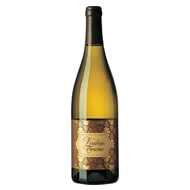
Märke: Jermann Vinnaioli
Format : 1,5
Gradering : 13% vol.
Vintage Tunina from Sauvignon grapes, Chardonnay with Ribolla Gialla, Malvasia Istriana and Picolit added.
It should be noted that this is a genuine field blend. It has a brilliant straw-yellow colour with golden highlights. Its aroma is intense, full, with enormous elegance and persistence, and with hints of honey and wild flowers. Its taste is dry, velvety, and very well-orchestrated, with an exceptional persistence due to its particularly full body.
The first tests of the field blend date back to the 1973 harvest, and the first
vintage put on sale under this name and label was the 1975 harvest.
For this particular grape blend, a selection is made of the best grapes which are gathered late, around two weeks after the normal harvest, on a surface of around 16 hectares of vineyard cultivated on Ronco del Fortino. The training system forms used are guyot-cappuccina, with 6000-7000 vines per hectare and with a yield of 40–60 quintals.
The name, Tunina, refers to the old owner of the land on which the original vineyard is located and it is dedicated to Casanova's poorest lover, who was a governess in Venice and who was also known by the diminutive "Tunina"
Format : 1,5
Gradering : 13% vol.
Vintage Tunina from Sauvignon grapes, Chardonnay with Ribolla Gialla, Malvasia Istriana and Picolit added.
It should be noted that this is a genuine field blend. It has a brilliant straw-yellow colour with golden highlights. Its aroma is intense, full, with enormous elegance and persistence, and with hints of honey and wild flowers. Its taste is dry, velvety, and very well-orchestrated, with an exceptional persistence due to its particularly full body.
The first tests of the field blend date back to the 1973 harvest, and the first
vintage put on sale under this name and label was the 1975 harvest.
For this particular grape blend, a selection is made of the best grapes which are gathered late, around two weeks after the normal harvest, on a surface of around 16 hectares of vineyard cultivated on Ronco del Fortino. The training system forms used are guyot-cappuccina, with 6000-7000 vines per hectare and with a yield of 40–60 quintals.
The name, Tunina, refers to the old owner of the land on which the original vineyard is located and it is dedicated to Casanova's poorest lover, who was a governess in Venice and who was also known by the diminutive "Tunina"
| Har du frågor om produkten? Skriv ditt svar (offentligt) så svarar vi så snart som möjligt |
Il vino contiene contiene solfiti.